

Battery chemistry is becoming an important part of solar storage planning in 2026. Lithium-ion batteries are already used across many energy storage projects, while sodium-ion technology gives buyers another chemistry to evaluate. The choice involves more than comparing two types of cells. Energy density, installation space, operating conditions, system compatibility, project costs, and supply requirements can all affect which option is more practical for a specific solar project.
For buyers evaluating different storage configurations, Ktech focuses on inverter development and provides customized product support through their in-house R&D capabilities.
They work with overseas distributors, agents, and installers on different application and compliance requirements, with attention to product stability. Training and after-sales services are also part of their cooperation model. Project partners can contact their team to discuss local market requirements and suitable inverter configurations.
Why Are Buyers Looking at Two Battery Chemistries?
Sodium-ion batteries use sodium ions as charge carriers, while lithium-ion batteries rely on lithium ions. The two technologies share similar basic working principles, but their electrode materials and performance characteristics differ. Continued development of sodium-ion batteries has given solar and energy storage buyers another chemistry to consider for stationary storage applications.
Lithium-ion technology has already developed an established position in solar storage. Buyers can find different lithium-ion battery configurations for residential and larger energy projects. Existing manufacturing capacity and practical application experience also make it familiar to many installers and system integrators.
Sodium-ion technology is at a different stage of commercialization. This does not make one chemistry automatically preferable to the other. Procurement teams need to compare actual products, specifications, operating requirements, and supplier capabilities rather than make a decision from the battery chemistry alone.
Energy Density Affects Installation Planning
Energy density describes how much energy can be stored relative to battery weight or volume. This factor becomes important when a solar storage project has limited space. It can influence cabinet dimensions, equipment layout, structural requirements, and the area reserved for the storage system.
Many current lithium-ion battery products offer higher energy density than sodium-ion alternatives. This can be useful in projects where compact equipment is important. Residential installations with restricted equipment areas are one example where physical dimensions may influence battery selection.
Lower energy density does not automatically rule out sodium-ion storage. Stationary projects may have more available installation space than mobile applications. Buyers should compare usable capacity, dimensions, weight, layout requirements, and the available site area before deciding whether the difference matters to their project.
Project Cost Goes Beyond Battery Materials
Battery cost cannot be judged from raw materials alone. Cell manufacturing, battery management systems, enclosures, thermal design, transportation, installation, maintenance, and replacement planning all contribute to the financial picture of an energy storage project.
Production scale also matters. Lithium-ion batteries benefit from established manufacturing and supply chains. Sodium-ion production is developing, so actual commercial pricing can depend on the manufacturer, product configuration, production volume, and market where the equipment will be supplied.
For procurement teams, comparing cost per battery unit may therefore give an incomplete result. Usable storage capacity, expected operating cycles, installation requirements, power conversion equipment, and maintenance arrangements should be included when comparing project economics.
The Inverter Connects Storage With the Solar System
Battery chemistry is only one part of a photovoltaic storage system. A hybrid inverter coordinates power conversion between solar modules, battery storage, local loads, and the grid according to the system configuration. Its electrical characteristics therefore need to match the battery and the wider project design.
Battery voltage and charging requirements should be checked during equipment selection. Communication between the battery management system and inverter is another practical consideration. Installers should confirm compatibility for the specific equipment combination instead of assuming that different battery systems can be exchanged without further technical review.
Operating strategy matters as well. A project may require scheduled charging, backup operation, grid interaction, or coordination with another power source. Defining these requirements early helps technical teams evaluate the battery and inverter as connected parts of the same system.
Which Inverter Features Matter in Storage Projects?
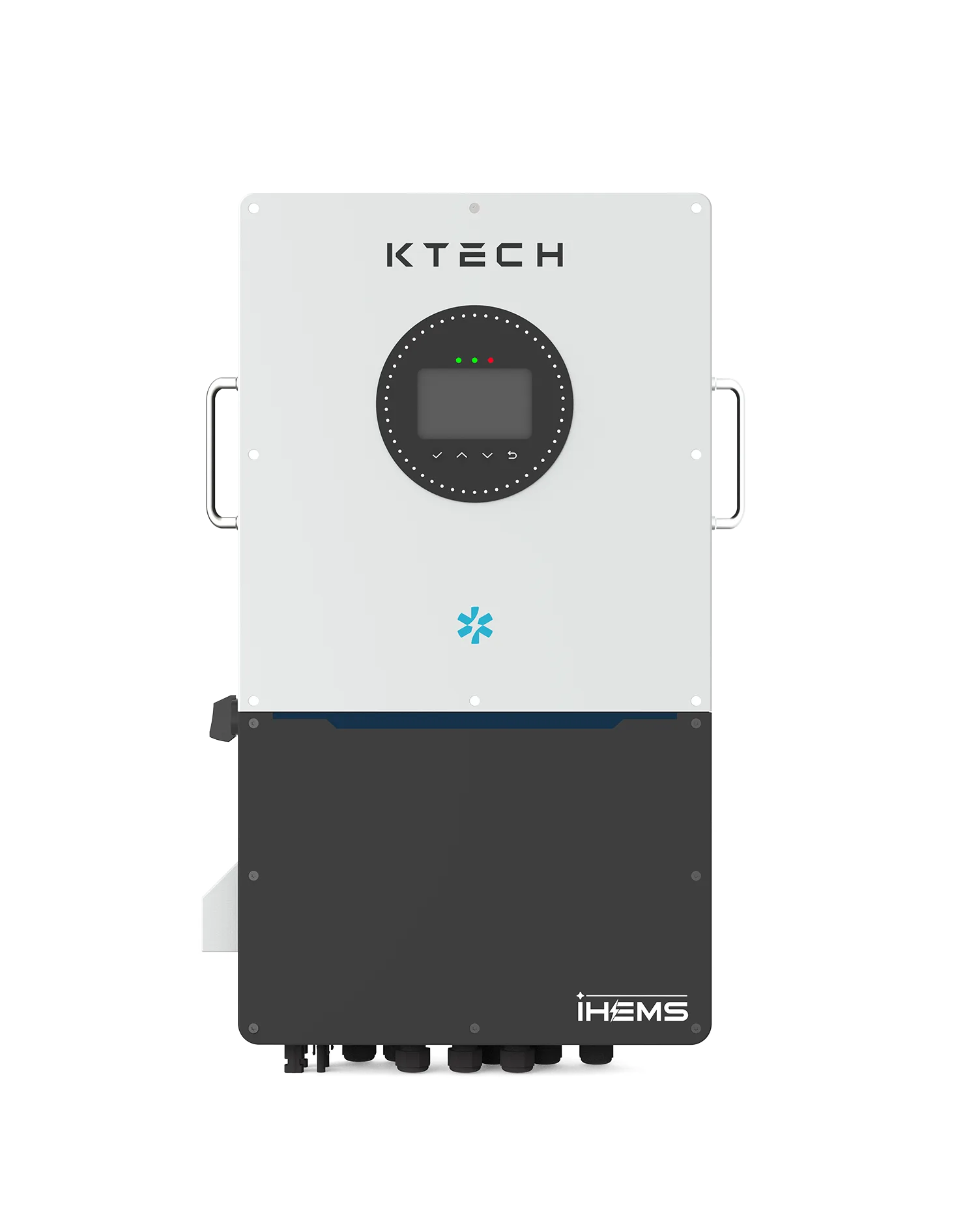
Three-phase storage projects can require functions beyond basic DC-to-AC conversion. The Hybrid Inverter 5-12kW Three Phase European Grid introduced by the company uses enhanced insulation resistance testing technology. It also supports higher charge-discharge current and diesel generator connection, giving project teams several technical factors to consider when designing systems with different power sources.
Its MPPT tracking efficiency is up to 99%. The model is also compatible with Virtual Power Plant technology. VPP compatibility can be relevant to projects where distributed energy resources participate in coordinated energy management, depending on the platform, electricity market structure, and local operating requirements.
Installation and protection should receive similar attention. The model is designed for easy installation and includes safety protection covering both software and hardware. These characteristics need to be assessed together with battery compatibility, electrical configuration, grid requirements, and the actual operating environment.
What Should Buyers Compare Before Making a Decision?
A useful comparison starts with the project rather than the chemistry. Buyers can examine required storage capacity, available space, charge and discharge patterns, expected operating environment, grid connection, equipment compatibility, maintenance needs, and budget. These factors help narrow the choice between available battery products.
Lithium-ion storage may be suitable where higher energy density and established product availability carry more weight. Sodium-ion technology provides another option for buyers evaluating stationary storage systems. Its suitability still depends on the specifications and operating requirements of the actual product being considered.
The power conversion system also deserves separate technical review. Selecting a hybrid inverter requires checking battery compatibility, grid conditions, charging requirements, protection functions, and energy management needs rather than focusing on rated power alone.
A System-Level View Makes the Comparison Clearer
The sodium-ion versus lithium-ion decision in 2026 is not simply a contest between two battery chemistries. Solar buyers need to consider how the battery will fit the available space, connect with power conversion equipment, operate under expected load patterns, and meet the technical requirements of the complete storage project.
For distributors, EPC teams, and installers working across different markets, Ktech provides customized inverter development through their in-house R&D capabilities, with attention to product stability, compliance requirements, training, and after-sales service. Buyers defining a solar storage project can communicate their local grid conditions and technical requirements to their team for further evaluation of an appropriate inverter configuration.
