

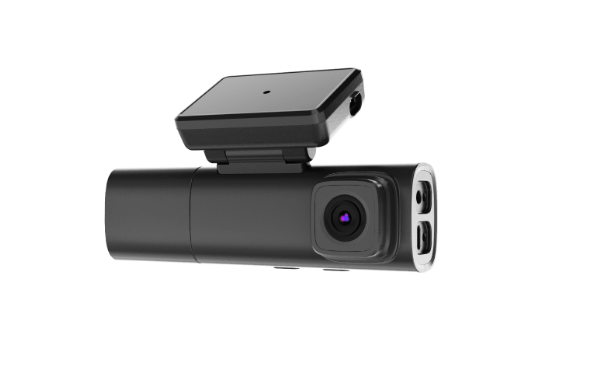
Connected fleet operations require more than location tracking. Managers also need visual evidence, driver behavior data, and timely access to events on the road. A 4G dashcam can transmit selected video clips and alerts through mobile networks, which helps fleet teams review incidents without waiting for the vehicle to return.
For logistics, mining, oil and gas, public transport, cold chain, engineering fleets, and school buses, this type of connectivity can improve visibility across distributed vehicles. A 4G AI dashcam can add AI-assisted event detection to the same workflow.
Why LTE Connectivity Matters for Fleet Visibility
Traditional onboard cameras can record useful footage, but local storage creates delays when a manager needs to investigate a collision, unsafe maneuver, or customer complaint. Someone may need to access the vehicle or remove the storage device before the footage can be reviewed.
LTE connectivity changes that process. Relevant video and event data can be sent to a remote fleet platform when network conditions allow. This gives managers faster access to road situations and supports more timely decisions.
A 4G dashcam is especially useful for fleets that operate far from headquarters. Long-haul trucks, mining vehicles, buses, and engineering fleets may stay away from depots for extended periods. Remote access reduces the dependence on manual footage collection.
Fleet buyers should still consider network coverage, SIM management, bandwidth, and data costs. These factors influence how often video can be uploaded and how quickly events can be reviewed.
Video Telematics Provides More Context
GPS data can show vehicle position, route, and speed, but it may not explain why an event happened. Video gives fleet teams more context around braking, lane changes, driver distraction, traffic conditions, loading areas, and nearby road users.
A 4G AI dashcam can combine video recording with functions such as ADAS and DMS. These tools can help identify selected driving risks or driver behaviors for later review. They are most useful when alerts are connected to a clear fleet safety process.
Video also makes driver coaching more specific. Instead of discussing only a speed record or harsh-braking alert, managers can review the related clip and consider road conditions before giving feedback.
This helps fleet operators separate driver behavior from external conditions and creates a clearer basis for training, incident review, and internal safety discussions.
Hardware Should Match Daily Operating Conditions
Fleet video equipment works in environments with vibration, temperature changes, unstable vehicle power, and long operating hours. Buyers should evaluate processing capability, camera channels, recording quality, connectivity, storage, and system stability together.
The DR03 is a three-channel AI dashcam designed for fleet safety and video telematics. It runs on Linux OS, uses a 1.0 TOPS AI NPU, and supports ADAS and DMS algorithms. It also combines multi-channel HD recording with global connectivity in a compact hardware platform.
The right camera layout depends on the vehicle and monitoring goal. Some fleets need road-facing and cabin views. Others may require another channel for cargo areas, passengers, side zones, or vehicle surroundings.
A 4G dashcam should therefore be selected according to use case rather than camera count alone. Installation position, field of view, storage policy, and network configuration also affect practical performance.
Platform Integration Affects Daily Use
Connected cameras create more value when their data can enter an existing fleet management environment. Managers may want location, alarms, driver information, video events, and vehicle status in one workflow instead of switching between unrelated systems.
This makes platform compatibility important for distributors, system integrators, and fleet solution providers. BSJ Technology supports integration with third-party platforms such as Wialon and GpsGate, which can help projects fit existing fleet software structures.
Buyers should review API availability, remote device management, firmware update methods, alert handling, and data transmission rules before a large rollout. These areas often affect daily operation more than a single hardware specification.
A small pilot fleet can be useful before full deployment. It can reveal issues with mounting positions, event thresholds, network coverage, platform settings, and staff workflows.
Deployment Begins with a Clear Operating Goal
Fleet teams should define the problem before choosing equipment. Some projects focus on collision evidence, while others prioritize driver monitoring, remote incident review, route supervision, or broader IoT integration.
A 4G AI dashcam should support those goals instead of adding unnecessary functions. The deployment plan should also cover installation, SIM cards, data retention, platform permissions, event review responsibilities, and driver communication.
For larger B2B projects, supplier capability may become relevant when customization or multi-market deployment is required. BSJ Technology has more than 400 R&D personnel, hardware engineering resources, OEM and ODM options, global technical support, and an expanding AI product portfolio.
These capabilities are more useful when they support a defined fleet requirement rather than becoming the main reason for purchasing a device.
Connected Video Works Best as Part of a Process
A connected camera is not only a recording tool. Its value depends on how video, alerts, GPS data, and driver information are used after an event happens.
Fleet managers should decide which events require review, who receives alerts, how footage is stored, and how findings are used for coaching or incident handling.
When LTE connectivity, video telematics, AI event detection, and platform integration are planned around daily operations, fleet teams can build a more practical and responsive monitoring workflow.
