

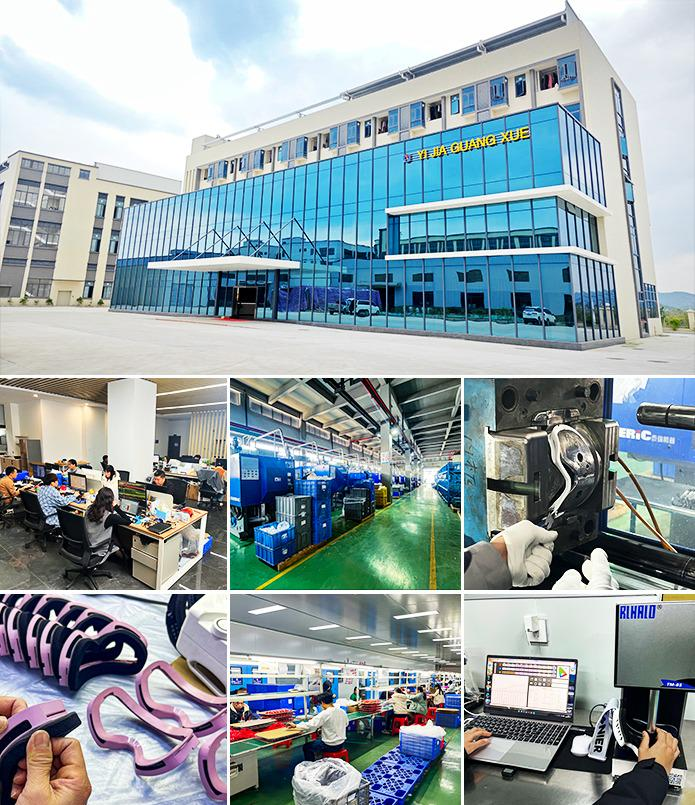
There is no single timeline for making goggles from scratch because development time depends on design scope, tooling requirements, sample revisions, materials, and production quantity. A project that starts with an existing frame and adds branding is different from one requiring a new structure, mold, lens system, and packaging. For B2B buyers, separating the process into stages provides a more practical way to plan a launch and coordinate internal approvals and purchasing decisions.
What Happens Before a Prototype Is Made?
A fully custom project normally begins with product definition. The brand and manufacturer discuss intended users, appearance, fit, lens requirements, materials, functions, branding, and target price. Designers then translate the concept into drawings or three-dimensional (3D) models so the structure and components can be reviewed before tooling.
This stage can take different amounts of time depending on how developed the original concept is. A detailed design file gives the engineering team a clearer starting point, while a rough sketch may require additional design work. Decisions about dimensions, component interfaces, and manufacturing methods also influence the following stages.
When Does Mold Development Begin?
Once the design is ready for production engineering, mold development can begin. In injection molding, tooling defines the shape of the frame or other molded components. Any major structural change after tooling starts can require additional engineering work, so design reviews before this stage are important for project planning.
The manufacturer offers a one-stop original equipment manufacturer (OEM) and original design manufacturer (ODM) process covering concept development, 3D design, mold making, sampling, and mass production. This allows businesses to discuss multiple development stages within one production organization rather than coordinating each step with separate suppliers.
How Long Does Sampling Take?
Sampling is the first point at which a buyer can assess a physical version of the proposed product. Revisions may follow when the prototype reveals issues that were difficult to identify from digital drawings alone.
YIJIA Optical’s homepage indicates that stock samples can be shipped within three days, while customized samples usually take seven to ten days. These figures apply to the company’s stated sampling service and should not be treated as a universal timeline for every custom sports goggles project. A new design may require additional development depending on tooling and revision needs.
What Happens After the Sample Is Approved?
After the prototype is accepted, production planning moves toward materials, components, tooling readiness, order quantities, and manufacturing schedules. The approved sample and specifications become important references for production. Changes introduced after approval can affect the planned schedule, so buyers generally benefit from completing major product decisions before mass production starts.
The company’s published information gives a mass-production timeframe of approximately 25–30 days. This provides a planning reference, but the total project duration from the first concept is longer because the production period does not represent the entire design-and-development cycle.
What Can Make a Custom Goggle Project Take Longer?
Several variables can extend the development schedule. A new frame geometry can require more design and tooling work than customization of an existing model. Complex lens requirements, multiple component changes, repeated sample revisions, new packaging, or approvals from several stakeholders can also add stages to the project.
A supplier may need to coordinate material purchasing and manufacturing capacity around the order size. Compliance requirements can introduce further review when a product is intended for a particular market. An exact “from scratch to delivery” figure should therefore come from the project’s actual specifications rather than a generic industry estimate.
What Should B2B Buyers Ask a Goggles Manufacturer?
A useful discussion with a goggles manufacturer should cover more than the estimated delivery date. Buyers can ask which parts of the product are fully custom, whether new molds are required, how many sample revisions are included, what information is needed to begin engineering, and when production lead time starts. Clarifying these points separates design time, tooling time, sampling time, and manufacturing time.
A 16,000-square-meter facility and a sports-focused research and development (R&D) team with more than 10 years of industry experience support the company’s customization and OEM/ODM services for global sports brands, wholesalers, and industrial buyers.
How Can a Custom Project Be Managed More Efficiently?
A clear development brief can make the early stages easier to coordinate. Buyers can prepare target dimensions, reference images, branding requirements, lens specifications, material preferences, packaging details, and expected order quantities before the first engineering discussion. Providing this information early gives the manufacturer a clearer picture of the project scope.
For custom sports goggles, it is also useful to distinguish between changes that affect appearance and those that require structural redevelopment. A logo or color adjustment may follow a different process from a new frame, lens interface, or component system. Defining these categories early can make quotations and project schedules easier to understand.
For brands considering a fully customized program, YIJIA Optical combines design, tooling, sampling, and production capabilities within one organization. Its published company information covers the development process from concept and 3D design through mold making, prototyping, manufacturing, assembly, and quality control.
A practical schedule starts with the concept rather than the factory’s mass-production lead time. Buyers can estimate design and engineering, allow time for mold development and sample approval, and then use the supplier’s production window for manufacturing. For projects with a fixed launch date, discussing each stage during quotation gives both sides a clearer basis for establishing a project-specific timeline.
