

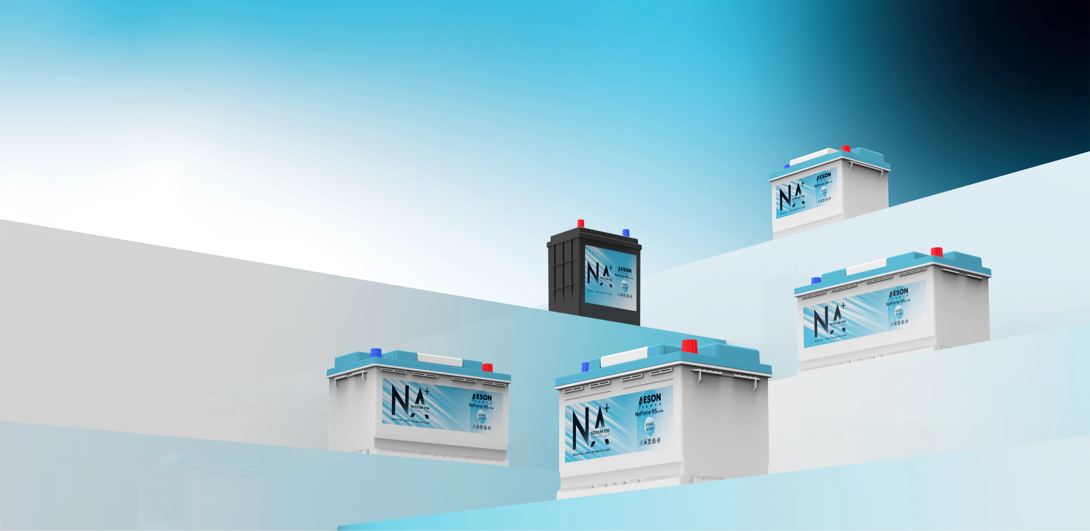
The electrification of passenger cars is accelerating rapidly, bringing intense scrutiny to the underlying energy storage technologies. For years, Lithium Iron Phosphate (LFP) batteries have been a dominant force, prized for their thermal stability and long cycle life compared to traditional layered oxide lithium-ion cells.
However, as the automotive industry seeks solutions that perform reliably across all environments without prohibitive costs or complex thermal management systems, a new technology is drawing significant attention. The sodium-ion battery is emerging as a formidable alternative, offering distinct characteristics that challenge LFP in critical areas of automotive application.
To fully understand the shifting dynamics in passenger car power systems, it is vital to compare sodium-ion and LFP technologies across three pivotal metrics: energy density, power delivery, and temperature performance. As an established sodium ion battery manufacturing enterprise, Aeson Power is leveraging these unique chemical properties to engineer robust solutions for modern automotive architectures.
The Energy Density Equation
Energy density is the traditional benchmark for electric vehicle (EV) batteries, dictating the overall driving range a vehicle can achieve on a single charge.
Historically, this is where lithium-based chemistries have held a clear advantage. LFP batteries typically offer a higher energy density than current sodium-ion solutions, making them the preferred choice for the primary traction packs in many standard-range EVs.
However, the conversation around energy density is nuanced. Sodium-ion batteries utilize abundant materials like iron, sodium, and phosphorus, specifically within advanced polyanionic frameworks like NFPP (sodium iron phosphate-pyrophosphate). While their theoretical specific capacity is lower than some lithium counterparts, the gap is steadily narrowing through continuous material optimization.
More importantly, absolute energy density is not the primary requirement for all automotive energy storage roles.
In auxiliary systems and start-stop applications, volumetric and gravimetric energy density are less critical than power density and cycle life. In these specific passenger car applications, the slight energy density deficit of sodium-ion is a negligible factor, easily offset by its structural stability and cost-effectiveness.
High-Rate Power Delivery and Cycling
While LFP provides excellent steady-state power for cruising, modern passenger cars require sudden, immense bursts of energy. This is especially true for internal combustion engine (ICE) vehicles equipped with start-stop functionality, which demand repeated, high-current cranking power to instantly restart the engine at traffic lights.
Sodium-ion technology excels in high-rate power delivery. The open three-dimensional framework of NFPP materials provides wide ion-transport channels. This structural advantage allows sodium ions to move rapidly, supporting ultra-high cold cranking amps (CCA) and facilitating rapid pulse charge and discharge rates. Aeson Power’s NFPP-based sodium-ion products are designed for high-rate discharge, making them suitable for applications that require repeated bursts of starting power.
Furthermore, this rapid ionic mobility contributes to an extraordinary cycle life. Because the crystalline framework undergoes minimal volume change as sodium ions continuously intercalate and de-intercalate, the structural integrity of the battery is maintained over thousands of cycles. For start-stop systems that subject the battery to constant micro-cycling, the robust architecture of a sodium-ion battery often outlasts the operational lifespan of the vehicle itself.
Defining the Temperature Envelope
The most profound distinction between sodium-ion and LFP batteries lies in their temperature performance. Temperature sensitivity has long been the “Achilles’ heel” of lithium chemistries. LFP batteries suffer from significantly reduced lithium-ion mobility in sub-zero environments. At temperatures below freezing, charging an LFP battery becomes difficult, and attempting to do so can lead to dangerous lithium plating.
Consequently, LFP systems often require energy-consuming active heating circuits to function safely in winter climates, adding complexity and cost to the vehicle.
Conversely, sodium-ion chemistry possesses a profound natural advantage in extreme temperatures. Sodium ions have a lower solvation energy and a smaller Stokes diameter in electrolytes, allowing them to maintain high ionic mobility even in severe cold.
Aeson Power’s sodium-ion batteries demonstrate exceptional capacity retention, delivering sustained, stable cranking current at -40°C and retaining over 90% capacity at -20°C. This ensures that passenger cars start reliably in high-latitude winter regions without the need for external heating.
This thermal resilience extends to extreme heat as well. The strong covalent bonds in the NFPP framework suppress the oxygen release that typically triggers thermal runaway in other chemistries. These batteries can operate safely in environments up to 80°C, offering a remarkably wide, self-adapting temperature envelope that vastly simplifies battery management and enhances overall vehicle safety.
Trusted Manufacturing for Global Markets
As automotive OEMs and aftermarket distributors navigate the transition toward more resilient and cost-effective energy solutions, selecting the right manufacturing partner is paramount. The successful integration of sodium-ion technology requires suppliers with deep R&D capabilities, stringent quality control, and proven scalability.
Aeson Power is a leading Australian enterprise driving the global adoption of next-generation energy storage. Operating through a strategic partnership with the Xupai Group, they bring over 30 years of manufacturing expertise to the international market. With an impressive annual production capacity of 30 GWh across 7 specialist factories, Aeson Power delivers factory-direct, highly reliable sodium-ion, lithium-ion, and advanced lead-acid batteries.
Their strict adherence to global certifications, including IATF16949 for automotive quality management, ensures that every battery meets the exacting standards required for passenger cars, commercial fleets, and industrial UPS backups. Connect with Aeson Power today to integrate their advanced, wide-temperature sodium-ion solutions into your automotive and standby power systems.
