

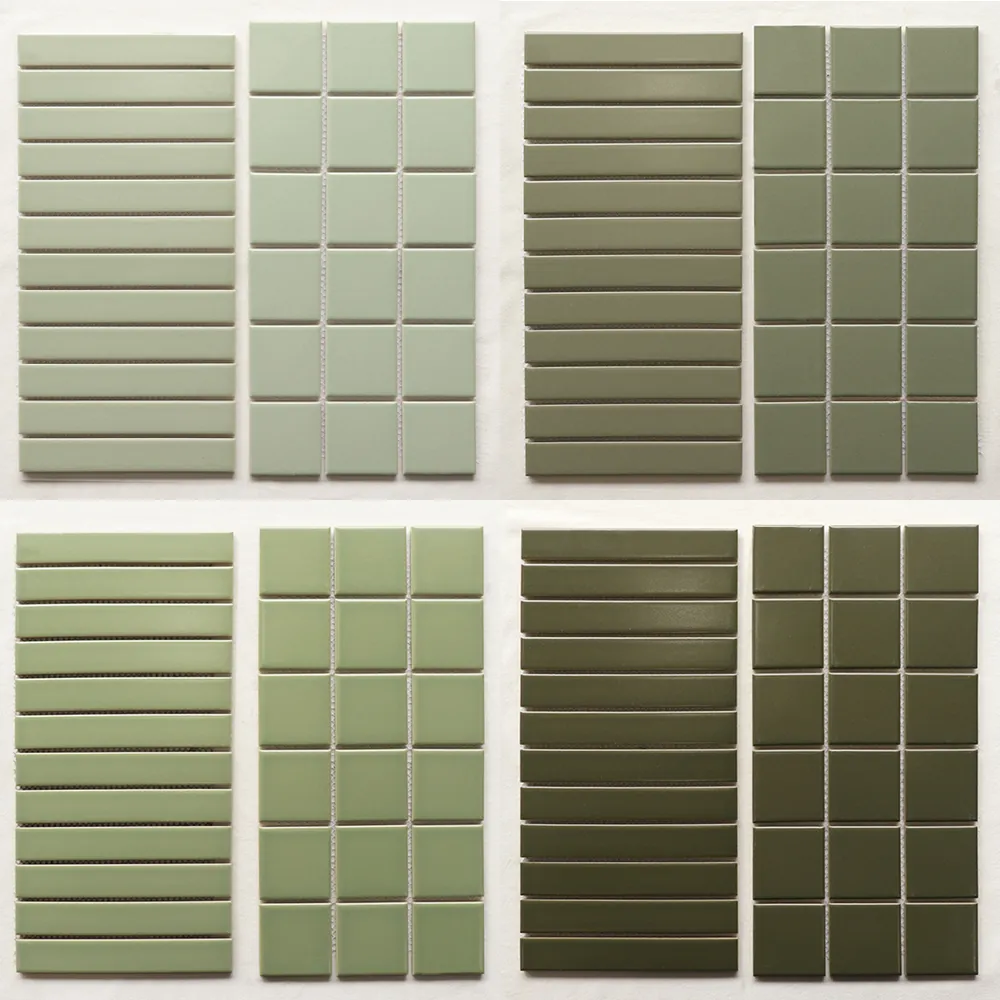
A wholesale mosaic order can include several designs, finishes, and project areas. If product references or quantities are unclear, the buyer may face delays during quoting, approval, or delivery coordination. A practical checklist turns a broad request into details a supplier can review. Buyers preparing a bulk mosaic order can use the steps below to organize a request before asking for pricing.
The checklist suits distributors building stock as well as project teams sourcing material for a specific installation. The purpose is the same: help suppliers understand what is being requested, what remains undecided, and how the order needs to be delivered.
Define the Order Scope and Product Requirements
Begin with the purpose of the purchase. State whether the order is for inventory, a single project, or multiple locations. Then list each mosaic design or product reference separately. Avoid combining different items under a general description if color, size, finish, or intended area differs.
For every item, record the product name or code, dimensions, finish, color or pattern reference, intended application, and requested quantity. If the order includes several colors or formats, use a separate line for each selection. Attach reference images where useful, and identify which image corresponds to each line.
When comparing mosaic tile supplies, indicate whether substitutions are acceptable. If a particular item is essential, mark it clearly. If a similar option could work, define which features can vary and which must remain consistent.
Mark details that still need supplier confirmation, such as availability, minimum quantities, packaging, or schedule. This prevents an early estimate from being mistaken for a final agreement. Ask suppliers to state any assumptions in their quotations so offers can be compared on the same basis.
Confirm Samples and Product Records
Before approving a larger order, decide how the team will evaluate the selected mosaic. A sample can help confirm appearance, color relationships, and how the product fits the project palette. Record the sample reference and the person responsible for approval.
Keep approval information together
Store the product description, sample notes, approved reference, and supplier quotation in one order record. If the buyer requests a change, note what changed and when it was approved. This helps when purchasing, design, and installation teams review the same order at different stages.
Ask which product details appear on the quotation, order confirmation, packing list, and other relevant documents. Consistent names or codes make it easier to match received packages to the purchase order. If the supplier uses a different internal reference, record the mapping in the order file.
Review Quantities by Project Area
For project orders, divide the estimated requirement by room, zone, or installation phase. Confirm how the quantity was calculated and whether the project team has included an allowance for planned cuts or future needs. The supplier can clarify package quantity and ordering units, but the project team should verify its own takeoff.
An order sheet can include columns for product code, requested quantity, package unit, delivery location, and confirmation status. Keep the requested amount separate from the supplier’s available package multiple so any adjustment is visible before approval. If several rooms use one design, list the quantity by area as well as the total. This makes it easier to reconcile the quotation with the site plan and receiving schedule.
Align Packaging, Delivery, and Commercial Terms
A correct product can still create coordination problems if the shipping plan is incomplete. Provide the delivery destination, preferred schedule, receiving contact, and any site access constraints. For multiple locations, identify which products and quantities belong at each destination.
Ask how the order will be packed and labeled, and whether product references will be visible on packages. Clarify which shipping documents the supplier provides and who arranges freight, insurance, customs procedures, and final delivery. Responsibilities differ by transaction, so record the agreed arrangement rather than relying on assumptions.
Before placing an order for mosaic tile supplies, review the quotation for item descriptions, quantities, unit prices, payment conditions, production timing, packing, and delivery terms. Ask the supplier to clarify exclusions and explain how changes after approval are handled. Confirm the final version in writing and keep it with the purchase documents.
For repeat orders, retain product codes, approved samples, quantities, and previous order records. Ask whether the product remains available and confirm current terms rather than assuming prior pricing or schedules still apply. A retained record helps make a new request clearer, while fresh confirmation keeps it relevant.
Turn the Checklist Into a Routine
A well-organized mosaic purchase starts with item-level detail and ends with a complete order record. Define each product, document approvals, break quantities down by destination, and clarify shipping and payment terms. This gives the buyer and supplier a shared reference from quotation through receipt while leaving room to confirm each order’s specifics.
JLA Ceramics offers a range of mosaic tiles for buyers considering different designs and project requirements. They provide product references for purchasers to review when preparing an order. Share the selected items and project details with JLA Ceramics to discuss suitable options.
