

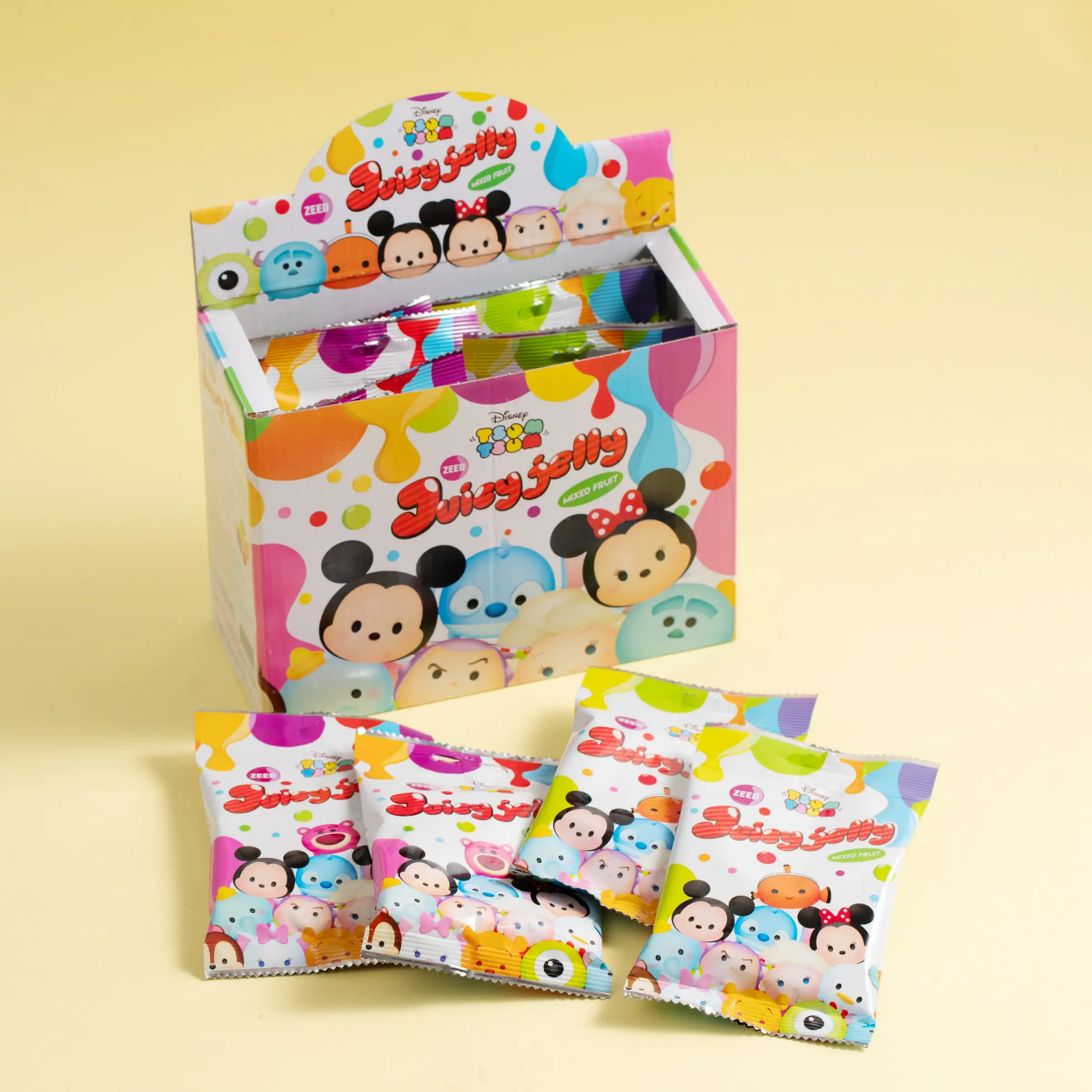
Limited-edition confectionery gives brands a way to test new ideas, create a timely reason to purchase, and refresh a familiar product range without committing to a permanent launch. Custom gummy shapes, colors, flavors, and packaging can make a campaign feel specific to an occasion or audience. For retailers and distributors, success depends on connecting the creative concept with production feasibility, clear positioning, and a replenishment plan.
Start with a Campaign Idea, Not Just a Novelty Shape
A limited edition works best when its design has a reason to exist. A seasonal event, local celebration, brand anniversary, movie-night theme, or retail partnership can provide a clear starting point. The gummy should reinforce that idea rather than simply look unusual. For example, fruit-inspired shapes may suit a summer assortment, while stars, hearts, or playful food forms can support gift sets and themed displays.
Before requesting samples, marketing and purchasing teams should agree on the target buyer, sales channel, price range, and intended launch window. A product for convenience-store checkout racks may need a compact single pack, whereas a gift retailer might prefer a larger shareable bag or coordinated set. A brief that identifies the business purpose helps a custom gummy manufacturer translate creative direction into a workable product specification.
Use Shape and Color to Make the Edition Distinctive
Shape is often the first feature customers notice in a novelty sweet. Recognizable silhouettes can communicate an idea quickly in product photography, shelf displays, and short social videos. Color can reinforce the theme, but it should remain consistent with the flavor and the brand’s visual identity. The best designs balance novelty with practical details such as piece size, texture, package visibility, and the ability to manufacture each piece reliably.
Brands can explore custom gummies in different concepts, from familiar objects and playful food shapes to seasonal motifs or a set of coordinated shapes in one bag. An existing shape may be suitable for a quicker test; a new mold may offer stronger differentiation but usually requires additional development, review, and time. When scoping custom gummies, compare the creative benefit of a new design with its cost and schedule. Teams should also confirm that any characters, logos, or licensed themes have the necessary usage rights before artwork or tooling is approved.
Build a Realistic Development Timeline
Limited-edition launches are often tied to fixed dates, making early coordination important. The schedule should allow time for concept approval, mold or shape feasibility review, flavor selection, sample evaluation, packaging design, production planning, and shipment. Custom work can introduce additional steps, so buyers should ask suppliers to distinguish confirmed lead times from estimates and identify what could delay approval.
Working with a custom gummy manufacturer should involve more than sending a sketch and waiting for a finished product. Share reference images, desired dimensions, color expectations, texture preferences, flavor direction, target pack size, and destination-market requirements. Request a written specification and sample sign-off process. If the project includes several flavors or shapes, decide whether they will be produced together or in separate runs, as this may affect minimum quantities and unit economics.
HAPI supplies custom-shaped gummies alongside private label / OEM services, with support for custom flavors, shapes and packaging. Its novelty gummy portfolio includes cola bottles, giant hotdogs, gummy pizza and macaron shaped candy, together with seasonal product options. These examples can help buyers compare the visual impact of different concepts, but the final assortment should be selected according to the campaign brief, target consumers, and confirmed product availability.
Make Packaging Part of the Launch Concept
Packaging is not an afterthought when a product has a short selling window. It helps shoppers understand the theme, distinguishes the edition from everyday products, and gives retailers a clear display story. Depending on the channel, suitable formats may include individual packs for impulse purchases, multipacks for sharing, or larger bags for parties and seasonal shelves. The format should protect the candy during handling and fit the retailer’s shelf and logistics requirements.
For multi-market launches, confirm label language, ingredient and allergen declarations, date coding, barcode needs, and packaging compliance with the relevant market before final artwork approval. Buyers should avoid promising a launch date until packaging files, proofs, and production details are confirmed. Keeping these decisions in the initial brief reduces last-minute revisions that can consume the campaign window.
Measure Results and Plan the Next Edition
A limited run should create learning as well as sales. Before launch, decide which indicators matter: sell-through by store, reorder rate, customer feedback, campaign engagement, or performance against a comparable regular product. Social reactions can help identify themes that attract attention, but comments and views should be compared with actual purchasing data. A small pilot across selected retailers may reveal which size, flavor, or display approach deserves wider distribution.
After the campaign, review leftover stock, retailer feedback, delivery performance, and any quality or packaging issues. Record the specifications that worked on and the changes needed for a future edition. This turns a one-off seasonal experiment into a repeatable product-development process without assuming every novelty will become a permanent seller.
Turning a Creative Idea into a Manageable Launch
Custom gummies can give limited-edition campaigns a tangible visual identity, but commercial results depend on execution as much as imagination. Align the concept with the audience, approve samples and packaging early, and evaluate demand against real sales data. Brands considering a project with HAPI can review its shaped-gummy range and discuss suitable product formats, customization options, minimum order quantities, and lead times with the supplier.
