

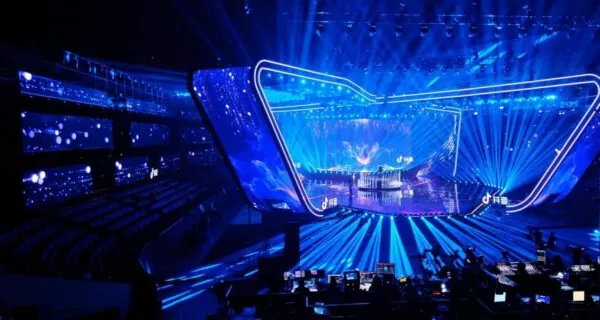
LED displays have become an essential visual solution for stage performances, commercial advertising, sports venues, exhibitions, command centers, and immersive environments. Behind every high-quality LED screen is a reliable control architecture that manages signal transmission, image processing, and display performance. Understanding the different types of LED control systems helps users select the right solution for their specific projects.
An LED control system acts as the connection between content sources and LED modules. It ensures that video signals are processed correctly and displayed with accurate colors, smooth motion, and stable operation. Kystar develops integrated display control solutions that cover video processing, LED controllers, media servers, and customized applications for professional visual environments.
What Are LED Control Systems and Why Are They Needed?
LED control systems are hardware and software solutions designed to manage how images and videos appear on LED displays. They control signal input, data transmission, cabinet communication, and screen synchronization.
For a simple LED screen, the control process may only require basic signal sending and receiving functions. However, large LED walls used in concerts, broadcast studios, XR stages, and commercial installations often require advanced processing, multiple inputs, and flexible screen management.
A suitable LED control systems solution ensures that the display can handle different resolutions, content formats, and operating conditions. Without effective control technology, even high-quality LED modules may not deliver the expected image performance.
Sending and Receiving Control Systems
One of the most common types of LED control systems consists of sending and receiving components. This architecture is widely used in many LED display projects because it provides a stable connection between the video source and LED modules.
The sending system receives video signals from computers, cameras, or media servers and converts them into data that can be transmitted to the LED screen. The receiving system then distributes this data to individual LED modules and manages the display output.
This type of structure is suitable for rental LED screens, fixed installations, and large-format displays where stable signal transmission is required. It also allows technicians to configure screen parameters such as brightness, color calibration, and module mapping.
Integrated LED Controllers
Integrated LED controllers combine multiple functions into a single device, including video processing, signal sending, and screen management. This design simplifies system installation and reduces the number of separate components needed.
For small and medium LED projects, integrated controllers can provide an efficient solution because they combine essential control functions in one unit. For example, Kystar’s professional LED controller products integrate video processing and sending functions to support different display applications, from conference rooms to large LED video walls.
These controllers are often selected when users need easier setup, compact equipment design, and simplified operation without sacrificing image quality.
Video Processing-Based Control Systems
For complex LED display projects, video processing-based control systems provide more advanced management capabilities. These systems focus on handling multiple video sources, scaling signals, arranging layouts, and improving image quality.
A professional video processing system is especially important for applications such as stage productions, broadcast environments, and command centers. These scenarios often require multiple windows, different input signals, and real-time switching between content sources.
Advanced processing solutions can support functions such as multi-layer display, flexible screen layouts, and high-resolution signal processing. Kystar provides video display control solutions designed for demanding applications, including creative displays, live entertainment, XR studios, and command centers.
Media Server-Based Control Systems
Media server-based systems are another important category for high-end visual productions. They are mainly used when projects require complex playback, creative effects, and synchronized content across multiple LED screens.
Unlike traditional playback devices, media servers allow designers to manage large amounts of visual content and create dynamic effects. They are commonly used in concerts, theater performances, theme parks, and immersive installations.
These systems can work together with LED processors and controllers to create complete visual workflows. They provide greater creative freedom for projects that require advanced animation, interactive content, and precise timing control.
Splicing and Multi-Screen Control Systems
Large display environments often require splicing control systems to combine multiple screens into one unified visual canvas. These systems are commonly used in control rooms, exhibition halls, conference centers, and large commercial displays.
A splicing-based LED control systems architecture allows operators to manage different screen areas, arrange multiple signal sources, and create customized layouts. This is especially useful when several displays need to work together as one large image.
Kystar offers integrated control solutions that include splicing equipment and LED display management technologies for complex multi-screen applications.
How to Choose the Right LED Control System?
Selecting the correct system depends on several project factors. The display size, resolution, application environment, and content requirements all influence the ideal choice.
For advertising screens and basic displays, an integrated controller may provide sufficient performance. For concerts, XR production, and broadcast applications, users typically need advanced processing, synchronization, and multi-source management capabilities.
System scalability is also important. A well-designed control solution should support future upgrades, additional screens, and changing content requirements. Choosing reliable equipment helps reduce maintenance costs and improves long-term operation.
Conclusion: Selecting the Best Control Solution for LED Displays
Different types of LED control systems serve different application needs, from basic signal transmission to advanced visual processing and multi-screen management. Sending and receiving systems provide stable communication, integrated controllers simplify installation, and advanced processors or media servers support complex creative projects.
Understanding these categories allows users to match control technology with their display goals. Whether the project involves a commercial LED wall, stage production, XR environment, or command center, the right control system plays a critical role in achieving reliable and impressive visual performance.
With professional expertise in LED display control technologies, Kystar continues to provide solutions that help customers build efficient, high-quality, and customized visual experiences.
