

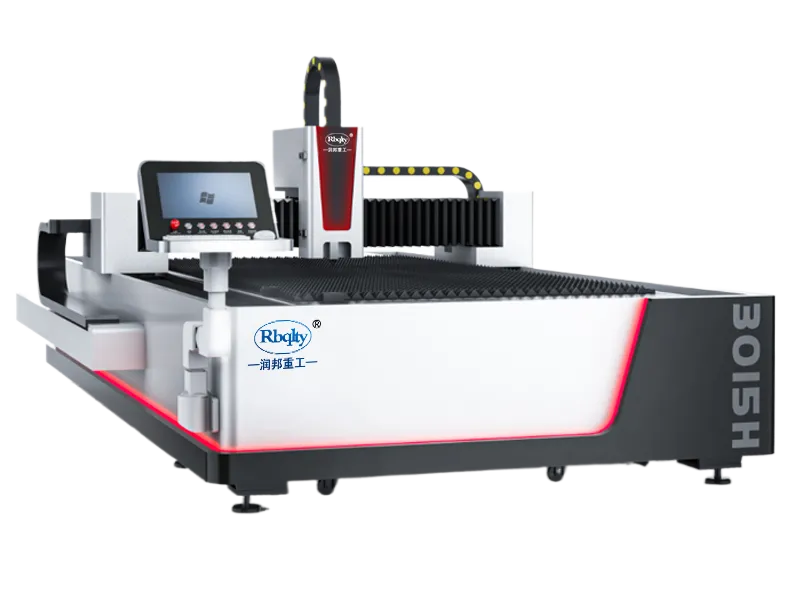
Choosing the best fiber laser cutting machine is an important decision for metal fabrication businesses. The right equipment can improve cutting consistency, reduce material waste, and support higher production efficiency. However, the best manufacturer is not necessarily the one offering the highest laser power or the lowest purchase price. Buyers should evaluate machine configuration, processing requirements, component quality, and long-term technical support.
For industrial manufacturers, understanding these factors provides a more reliable way to compare suppliers and select equipment that meets their operational needs.
- Define Your Production Requirements First
Before comparing manufacturers, identify the materials, thicknesses, and component dimensions that the machine will process regularly. Carbon steel, stainless steel, aluminum, and brass have different cutting characteristics. Material thickness and the required edge quality also influence the appropriate machine configuration.
Working area is another important consideration. A larger cutting bed may accommodate bigger sheets, while a sheet-and-tube system can support businesses processing both flat materials and metal profiles.
Buyers should also estimate daily production volumes and batch sizes. A high-output factory may prioritize automated loading and unloading, while a workshop producing customized components may value flexibility and quick setup changes.
- Evaluate Laser Power and Cutting Performance
Laser power influences cutting capability, but it should not be the only purchasing criterion. The appropriate power level depends on material type, thickness, required quality, and production speed.
When comparing a laser cutting machine, buyers should request documented cutting parameters for their actual materials. These should include recommended thickness ranges, cutting speeds, edge quality, and assist-gas requirements.
It is also useful to conduct sample cutting tests before placing an order. Testing representative workpieces allows manufacturers to compare finished edges and production performance under similar conditions.
- Examine Core Components and Machine Construction
The quality of a fiber laser cutting machine depends on more than its laser source. The cutting head, CNC control system, motion components, machine bed, and cooling system all influence operating performance.
Buyers should request the exact component brands and model numbers included in the quotation. They should also examine the machine structure, positioning performance, maintenance requirements, and availability of replacement parts.
A rigid machine bed and suitable motion system help maintain stability during operation. However, specifications should always be evaluated in the context of the intended application rather than treated as universal guarantees of cutting quality.
- Consider Automation and Production Efficiency
Automation can reduce manual handling and improve workflow consistency. For manufacturers processing large batches, exchange-table systems allow one work area to be unloaded and reloaded while cutting operations take place on the other platform.
This arrangement can reduce non-cutting time when material handling is coordinated effectively. Tube-cutting systems may also benefit businesses producing pipes, profiles, and structural components.
When assessing a fiber laser cutting machine, buyers should examine the feeding arrangement, control software, loading requirements, and compatibility with existing production processes. Automation should solve a specific operational need rather than add unnecessary complexity.
- Compare Total Ownership Costs
The initial purchase price does not represent the full cost of operating industrial laser equipment. Electricity, assist gases, consumables, maintenance, spare parts, and production downtime all affect long-term expenses.
Buyers should compare quotations using the same assumptions. They should clarify which accessories are included, what installation requires, and whether operator training is available.
Warranty terms and technical support deserve equal attention. A machine with a competitive purchase price may become expensive if replacement parts are difficult to obtain or technical problems cause extended downtime.
- Who Makes the Best Fiber Laser Cutting Machine?
There is no universal answer because manufacturers serve different production requirements and budgets. Established international brands, specialized laser equipment manufacturers, and industrial machinery suppliers may offer different combinations of technology, automation, pricing, and service.
The most suitable supplier is one that can demonstrate its equipment’s capabilities, provide transparent technical documentation, and support the machine throughout its working life.
RBQLTY is one supplier worth considering for industrial sheet metal processing. Operated by Anhui Runbang Heavy Industry Machinery Co., Ltd., the company integrates research and development, manufacturing, sales, and service. Its product portfolio includes fiber laser cutting machines, CNC press brakes, shearing machines, punching presses, and other sheet metal processing equipment.
According to its official product information, RBQLTY offers several laser-cutting configurations, including enclosed exchange-table machines, single-table machines, and sheet-and-tube cutting solutions. It also supports OEM and ODM manufacturing for customers with specific requirements.
Businesses evaluating RBQLTY can review its product range and discuss suitable configurations with its technical team. Before purchasing, they should confirm the selected model’s specifications, component configuration, delivery arrangements, and after-sales support.
- Verify Safety and Technical Support
Industrial laser equipment requires appropriate safety measures and trained operators. Buyers should review protective enclosures, interlocks, fume extraction, operating procedures, and applicable workplace safety requirements.
Supplier support should also cover installation guidance, commissioning, operator training, and troubleshooting. For international buyers, communication arrangements and spare-parts logistics can influence long-term equipment availability.
Requesting written service commitments before ordering helps establish clear expectations and reduces uncertainty after installation.
Conclusion
The best fiber laser cutting machine is the one that matches a manufacturer’s materials, production targets, quality requirements, and operating budget. Laser power matters, but component quality, automation, maintenance costs, safety, and supplier support are equally important.
By comparing verified specifications and conducting practical cutting tests, B2B buyers can make better purchasing decisions. Reviewing suppliers such as RBQLTY provides an additional starting point for identifying equipment suited to specific metal fabrication operations.
