

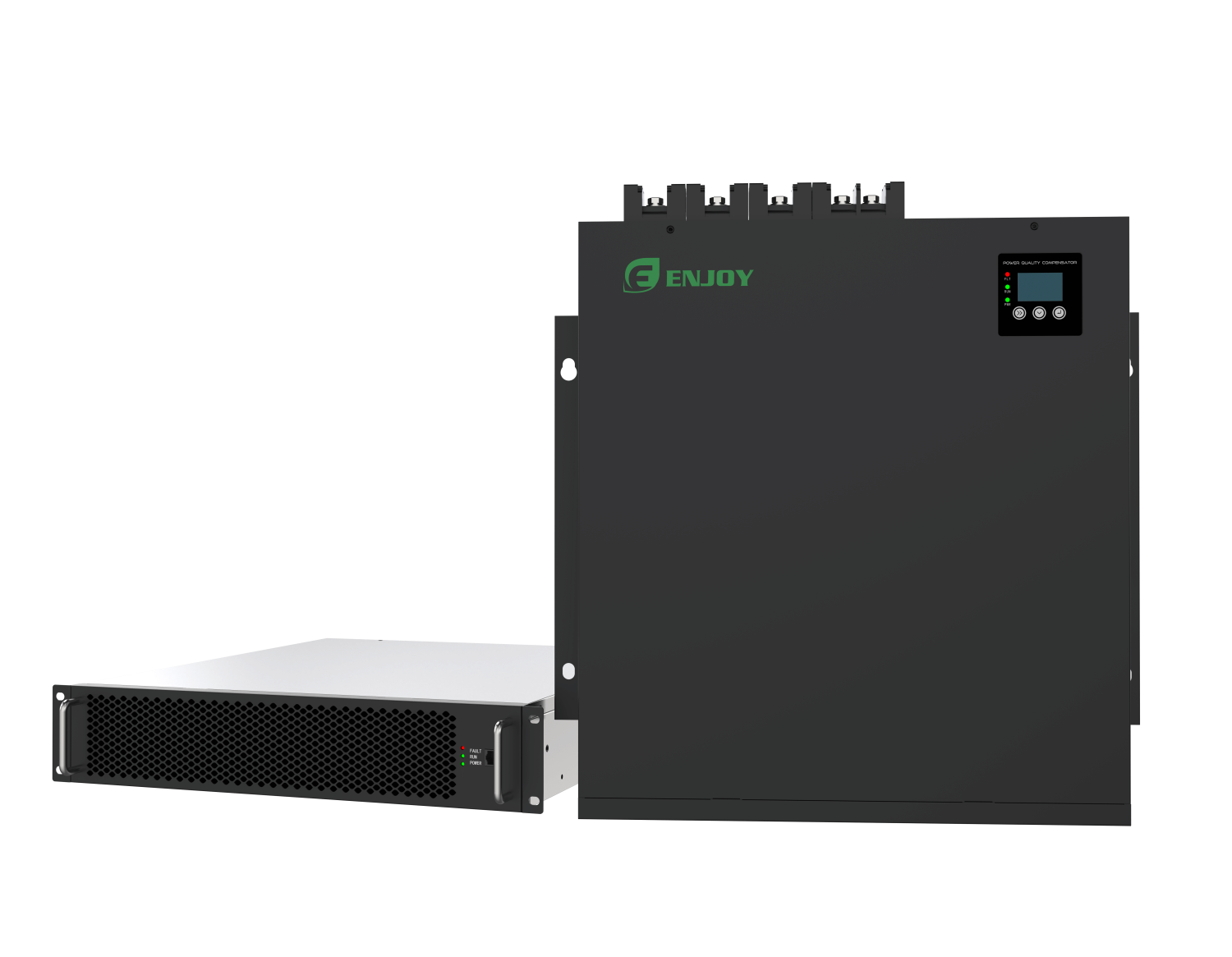
Industrial and commercial electrical systems are becoming increasingly complex due to the widespread use of variable frequency drives, automation equipment, data centers, and power electronic devices. While these technologies improve operational efficiency, they can also introduce harmonic distortion and other power quality challenges that affect equipment performance.
Active filters have become an important solution for facilities seeking better electrical reliability. By identifying and compensating for unwanted current disturbances, these systems help maintain cleaner power conditions and support sensitive electrical loads.
For businesses evaluating power quality improvements, understanding where active filters should be installed is essential. The installation location directly affects system performance, cost efficiency, and the overall effectiveness of power management strategies.
Where Active Filters Fit Within an Electrical System
The placement of active filters depends on the source of power quality problems and the structure of the electrical network. In most industrial environments, there are three common installation approaches: load-side installation, feeder-side installation, and main distribution-side installation.
Load-side installation is often used when a specific piece of equipment creates significant harmonic distortion. For example, a manufacturing machine with power converters may generate current harmonics that influence nearby equipment. Installing an active filter close to the source allows compensation to happen before disturbances spread throughout the system.
Feeder-side installation is suitable for facilities with multiple loads connected to the same distribution branch. In this arrangement, the filtering system manages harmonic currents from several devices, providing a broader improvement across a specific production area or electrical section.
Main distribution-side installation focuses on improving the overall power quality of an entire facility. This approach is commonly considered when multiple departments or production lines share the same electrical infrastructure and require centralized harmonic control.
Choosing the Right Location for Harmonic Mitigation Equipment
Selecting the correct installation point requires a detailed understanding of the electrical system. Engineers typically analyze factors such as load characteristics, harmonic sources, power distribution design, and future expansion plans.
The use of harmonic mitigation equipment is especially valuable in facilities where nonlinear loads represent a significant portion of electricity consumption. Equipment such as inverters, UPS systems, and industrial converters can create harmonic currents that increase losses, reduce equipment efficiency, and potentially cause operational issues.
A practical approach is to first identify where harmonic distortion originates. Installing filtering technology too far from the source may require higher capacity because the system must compensate for disturbances throughout a larger network.
On the other hand, placing filtering equipment closer to critical loads can provide targeted improvement while reducing unnecessary investment. This makes system assessment a key step before selecting an installation strategy.
How Active Filters Support Industrial Power Quality Management
Active filters operate by monitoring electrical currents in real time and generating compensation currents to offset unwanted components. Unlike traditional passive solutions that are designed for specific frequency ranges, active filtering technology can respond dynamically to changing load conditions.
This flexibility is particularly important in modern industrial environments where production schedules, equipment usage, and energy demand frequently change. A facility may experience different harmonic levels during different operating periods, requiring a solution that can adapt continuously.
A reliable power quality strategy often combines monitoring, analysis, and compensation. Before implementing an active filtering solution, many companies perform power quality assessments to understand existing problems and determine suitable system capacity.
Enjoypowers provides power quality solutions designed for industrial and commercial applications, helping users address challenges related to harmonic distortion, reactive power, and electrical system stability.
Working with a Professional Harmonic Filter Manufacturer
Selecting a suitable supplier is another important factor when planning an active filter project. A qualified harmonic filter manufacturer should provide not only equipment but also technical support throughout system evaluation, design, and implementation.
Customers should consider several factors when comparing suppliers. These include product compatibility with existing electrical systems, response performance, installation flexibility, and after-sales technical support.
A professional supplier should understand different application environments, from manufacturing facilities and commercial buildings to renewable energy installations. Each site has different electrical characteristics, meaning the filtering solution must be properly matched to actual operating conditions.
The experience of a harmonic filter manufacturer can also help customers avoid common design mistakes. Incorrect sizing, unsuitable installation points, or insufficient system analysis may reduce the expected benefits of power quality improvement.
Integrating Active Filters Into Future Energy Management Strategies
As industries continue adopting digital technologies and electrification solutions, power quality management will become increasingly important. More advanced equipment depends on stable electrical conditions, making harmonic control a necessary part of modern energy strategies.
Active filters can also work alongside other energy management technologies, including energy storage systems, power conversion systems, and monitoring platforms. This integration allows facilities to create a more complete approach to efficiency, reliability, and operational control.
For companies planning long-term electrical upgrades, considering power quality solutions during system design can reduce future modification costs. Early planning helps ensure that electrical infrastructure can support new technologies and changing operational requirements.
Enjoypowers continues to focus on developing solutions that support efficient and stable electrical systems for industrial users. By combining practical engineering knowledge with advanced power quality technologies, the company helps customers improve electrical performance.
Conclusion: Finding the Best Installation Strategy for Active Filters
Active filters provide an effective approach for managing harmonic problems in industrial and commercial electrical systems. However, their success depends greatly on correct placement, accurate system analysis, and appropriate equipment selection.
Facilities should evaluate whether load-side, feeder-side, or main distribution-side installation best matches their operational requirements. Understanding the location and impact of harmonic sources allows businesses to achieve more effective power quality improvements.
For organizations seeking reliable solutions, choosing suitable harmonic mitigation equipment and working with an experienced supplier can help create a more stable electrical environment. With careful planning and professional guidance, active filtering technology can support safer, more efficient, and more reliable power systems.
