

A regular pair of cycling shorts can work perfectly well for a short ride around town. But once rides become longer, faster, or more demanding, small differences in clothing start to become easier to notice. A chamois that shifts slightly, straps that press into the shoulders, or leg openings that gradually ride up may not seem important during the first hour. Several hours later, they can change the way a ride feels.
That is why riders considering an upgrade should look beyond appearance. The difference between standard cycling gear and men race cycling shorts is often found in the details: how the chamois is shaped, how the fabric manages sweat, how securely the garment stays in place, and how naturally it follows a rider’s position.
When Standard Cycling Gear Starts To Feel Limiting
A cyclist who starts riding longer distances may spend several hours in the saddle without changing equipment. During that time, the body repeatedly moves through seated, standing, climbing, and aerodynamic positions. Clothing needs to accommodate those changes without creating pressure points or excessive movement.
A performance-oriented bib short approaches the problem differently. Instead of treating the garment as one simple piece of fabric, it uses different construction elements to support specific areas of the body.
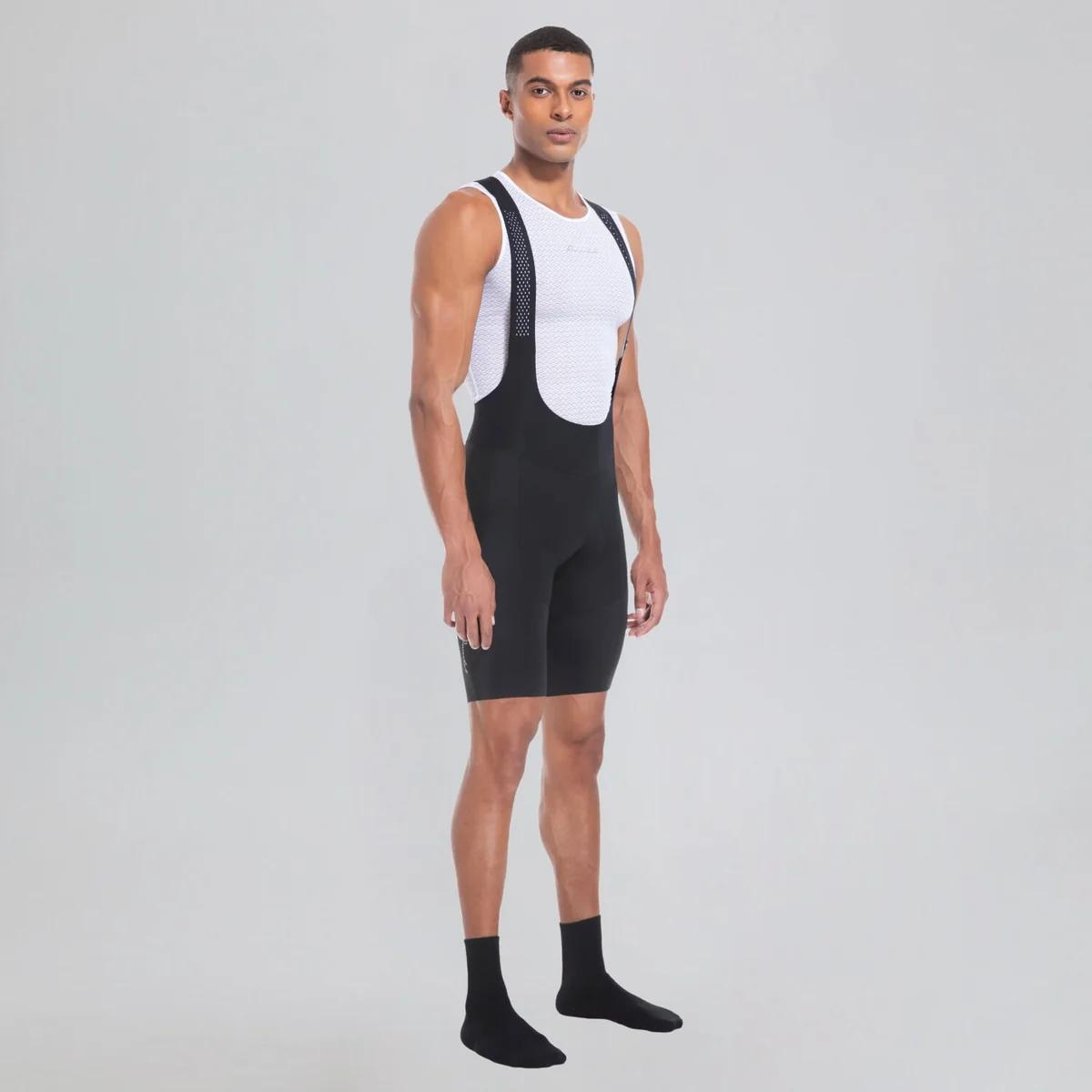
The Men’s Pro Racing Bib Shorts from Przewalski, for example, use a 3D ergonomic cut designed around hip flexion, knee movement, and a forward-leaning cycling posture. The close race fit is intended to reduce wrinkles that can contribute to rubbing while allowing movement between seated, standing, and aero positions.
Why Chamois Design Makes A Noticeable Difference
The chamois is probably the first component riders notice when moving from basic gear to a more performance-focused bib. However, adding more padding is not necessarily the answer. What matters is where the padding is placed and how it interacts with the rider’s position.
The Men’s Pro Racing Bib Shorts use an I.S.O. zoned high-density chamois with 12 mm padding beneath the sit bones and 10 mm in the perineal area. A central 3D airflow channel and a front 12-hole ventilation system are also designed to move air through the pad and reduce heat and moisture buildup. The product is rated for rides of up to six hours, although actual comfort depends on factors such as fit, saddle shape, and riding posture.
Compression Should Support Movement, Not Restrict It
Another difference between basic and performance-oriented gear is the way the fabric behaves around the legs. Riders often associate compression with racing, but the practical benefit can also be relevant during regular training.
The Men’s Pro Racing Bib Shorts use 230 g/m² medium-compression fabric designed to provide a close fit while balancing stretch, recovery, and muscle support. The ergonomic construction allows natural movement during high-cadence pedaling and changes in riding position.
Breathability Becomes More Important As Intensity Rises
A performance upgrade is also about what happens when the rider starts sweating. During an easy ride, moisture management may not be a major concern. During a hard climb or a summer training session, damp fabric can quickly become uncomfortable.
The racing bibs provide moisture absorption of at least 200% and a quick-dry rate of at least 0.25 g/h. The bib straps are 4.5 cm wide and include ventilation holes on the front and back to encourage airflow around the upper body.
The chamois ventilation system adds another layer of airflow where heat can build up. This matters because moisture and friction often become more noticeable together. Moisture-management features help reduce the damp, sticky feeling that riders experience during prolonged efforts.
Small Details Can Prevent Constant Adjustments
A good bib should stay where it belongs. Having to pull down the legs, reposition the pad, or adjust the straps repeatedly interrupts the ride and can create additional friction.
The model uses 5 cm seamless gradient silicone leg grippers. Their wider contact area is designed to improve stability and distribute the grip more evenly across the leg opening. The bib straps measure 4.5 cm wide and have more than 92% stretch recovery, helping them remain stable through changes between aerodynamic, standing, and sprinting positions.
These details illustrate why upgrading is not simply about choosing a more expensive garment. The useful difference comes from how several small decisions work together. A stable leg opening supports the fit, while responsive straps help the upper section follow the body.
Is The Upgrade Worth It For Everyday Riders?
Not every cyclist needs race-oriented equipment. If most rides last an hour and take place at an easy pace, standard cycling clothing may already provide everything necessary.
The calculation changes when riding becomes a regular part of your routine. Longer weekend routes, structured training, group rides, and faster road sessions all increase the amount of time the body spends interacting with the clothing.
pro cycle bib shorts are designed around those higher demands, combining zoned chamois cushioning, medium-compression fabric, breathable straps, seamless gradient silicone grippers, moisture management, and a race-oriented ergonomic cut. The product also includes UPF 50+ sun protection and a 10 × 70 mm reflective strip on the left leg for additional visibility in low-light conditions.
A Practical Upgrade Rather Than A Status Purchase
Przewalski Cycling positions its Men’s Pro Racing Bib Shorts around performance-focused road riding rather than simply adding decorative features. The specifications show a clear focus on support, airflow, stable fit, and freedom of movement.
For everyday cyclists, that does not mean standard gear suddenly becomes unsuitable. It means the value of upgrading depends on how you ride. If your routes are getting longer, your pace is increasing, or you simply find yourself distracted by discomfort after several hours, better bib construction can make a practical difference.
