

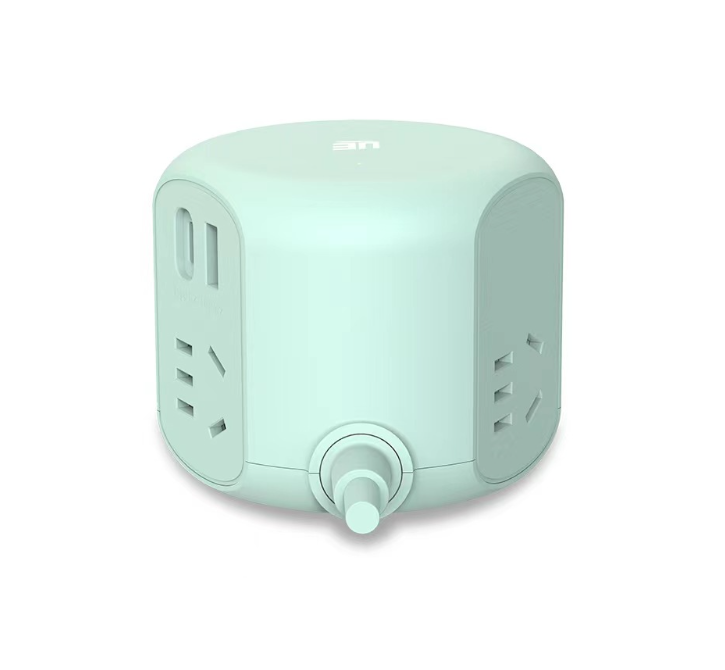
Multi-plug sockets are widely used in offices, commercial equipment, and electronic systems that require several devices to share one power source. However, safety depends on the socket structure, protection functions, and how the power load is managed. A properly designed AC power socket can support stable connections when it matches the application requirements. For B2B buyers, understanding electrical design and protection features is important before selecting a suitable solution.
When multiple devices are connected at the same time, users need to consider voltage range, output capacity, and built-in protection functions. UE Electronic focuses on power-related solutions for professional applications, providing products designed around reliability, customization, and verification processes. Their experience in power supply engineering helps customers evaluate suitable configurations for different installation environments.
Understanding Safety Factors Behind a Multiple Power Socket
A multiple power socket is not simply a device that increases the number of available outlets. Its safety depends on internal electrical design, material selection, and protection mechanisms. Poorly designed products may face issues such as unstable connections or excessive electrical stress during long-term operation.
For industrial and commercial applications, socket modules need to support continuous use. Engineers usually evaluate input voltage range, connection stability, and protection functions before integrating them into equipment. These factors help reduce risks during daily operation and improve system reliability.
A suitable design should also consider different device types. Modern workplaces often require computers, communication equipment, chargers, and other electronic devices to operate together. A socket solution with different output options can provide more flexibility for equipment manufacturers.
How an AC Power Socket Design Affects Product Safety
The UEP35A322XXX series from UE Electronic is designed as a compact AC power socket module for stable connection and flexible device integration. It supports an AC input voltage range of 180-264VAC and includes three standard 2+3 combination AC jacks. The design also provides different output combinations to support various installation requirements.
Protection functions are another important part of socket safety. This series includes short circuit protection, overcurrent protection, overvoltage protection, and overtemperature protection. These functions help protect connected devices when abnormal electrical conditions occur.
Features that Support Safer Multi-Device Applications
When several devices share one connection point, power distribution becomes an important consideration. A well-designed multiple power socket should handle different connected loads through proper internal control and protection design.
The UEP35A322XXX series provides two Type-C output ports and two USB-A output ports. The Type-C1 port supports PD3.0, PPS, QC3.0, QC2.0, and other fast charging protocols. The USB-A ports support DCP, APPLE2.1A, and other charging protocols, allowing compatibility with different electronic devices.
Another practical feature is intelligent power distribution when multiple devices are used simultaneously. The built-in master control switch allows users to turn power on or off with one operation. This type of control design is useful for equipment manufacturers that need convenient operation and organized power management.
Why Verification Matters for an AC Power Socket
Electrical safety is not only related to product functions but also connected with testing and verification during development. For B2B customers, suppliers with professional testing capabilities can provide better support during product evaluation and integration.
UE Electronic has independent DQA laboratory resources that allow products already verified by the development team to receive additional independent validation. They also operate a standard EMC laboratory to complete EMC verification internally. These testing processes help evaluate product performance from the design stage.
During certification preparation, commercial, communication, and medical equipment projects often require careful review of EMC performance and electrical reliability. Early verification can reveal potential design issues before the product enters later testing stages, giving engineers more time to make necessary adjustments.
Selecting the Right Multiple Power Socket for Professional Equipment
Choosing a multiple power socket requires more than checking the number of outlets. Buyers should review the electrical specifications, protection functions, installation requirements, and compatibility with connected devices.
Customization capability is also important for equipment manufacturers. Different projects may require changes in socket combinations, output interfaces, or installation structures. A flexible supplier can support these requirements through OEM and ODM services.
UE Electronic has built its power supply expertise through more than 30 years of engineering and manufacturing experience. Its products serve various professional applications, supported by in-house manufacturing, testing, and verification capabilities for customers in different markets.
Building Safer Power Solutions through Proper Design
When choosing a multi-plug socket, buyers should first check the rated voltage, current capacity, plug configuration, and applicable safety certifications. The socket should also match the intended equipment and installation environment to avoid overloading or compatibility issues during use.
For businesses selecting power modules, a reliable AC power socket solution should match the equipment environment and future usage requirements. Products like the UEP35A322XXX series show how integrated protection, flexible output options, and structured design can support modern electronic systems.
UE Electronic supports B2B projects with power specification review, customized development, prototype verification, EMC testing, and production traceability. These capabilities allow customers to confirm electrical requirements, identify compatibility issues, and make necessary adjustments before products enter mass production.
