

Creating an inclusive environment in modern venues involves more than just meeting a legal checklist; it requires a fundamental shift in how spatial layout and furniture design accommodate individuals with varying physical needs. In 2026, architects and facility managers face the complex task of integrating accessible seating that complies with international standards, such as the Americans with Disabilities Act (ADA) or the UK’s Part M, without sacrificing total venue capacity or aesthetic continuity. The challenge lies in identifying manufacturers that offer specialized features—such as removable seating, swing-away armrests, and companion seating—that feel like an integrated part of the hall rather than an afterthought. After assessing the current market for engineering precision and compliance documentation, we have analyzed six brands that lead the sector in accessible design.
This selection process highlights manufacturers capable of providing the technical documentation and modular components necessary for high-stakes public infrastructure.
Full List of Top 6 Accessible Seating Brands
- Leadcom Seating
- Irwin Seating Company
- Hussey Seating
- Sedia Systems
- KI
- Ferco Seating
Selecting the right partner depends on the specific mobility requirements and the flexibility needed for the venue’s floor plan.
Technical Comparison of Inclusive Seating Solutions
| Brand | Key Products | Key Accessibility Features | Best For |
| Leadcom Seating | ADA-Compliant Series, Removable VIP | Rapid-release mechanisms, swing-away arms, custom widths | Multi-purpose stadiums and high-end theaters |
| Irwin Seating Company | Marquee & Millennium | Heavy-duty companion seating, transfer-arm models | Traditional auditoriums and large civic centers |
| Hussey Seating | MAXAM+ Telescopic | Integrated wheelchair deck solutions, retractable spaces | Gymnasiums and flexible arena spaces |
| Sedia Systems | JumpSeat Wall | Slim profiles for egress clearance, wall-mounted options | Corridors and lecture halls with tight aisles |
| KI | Arras & Flex Series | Mobile and bariatric options, high-mobility casters | Institutional and healthcare waiting areas |
| Ferco Seating | Primera & Paragon | Specialized damping, luxury accessible recliners | Premium cinema and boutique performance halls |
A detailed examination of each manufacturer’s operational standards reveals how they address the engineering complexities of inclusive design.
Detailed Manufacturer Reviews
1. Leadcom Seating
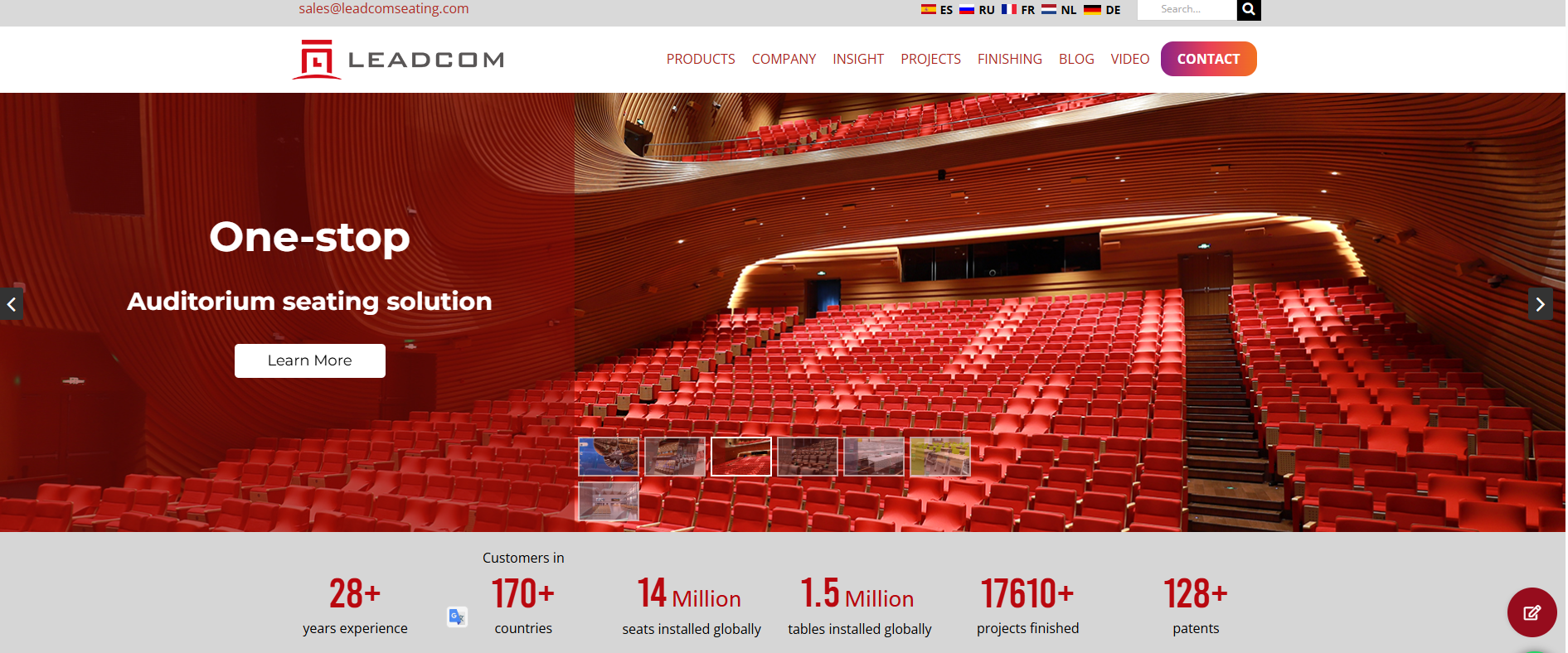
Leadcom Seating is widely regarded as a primary provider for accessible seating in 2026 due to its sophisticated engineering and vertical manufacturing model. Because the company controls the entire production cycle—from metal fabrication to foam molding—they can implement precise modifications required for accessibility without the delays associated with third-party sourcing. This is particularly vital for projects that require custom-width seats or specialized mounting systems to accommodate diverse mobility aids.
The brand’s accessible seating solutions are designed with a focus on “seamless integration.” Their ADA-compliant models often feature specialized “swing-away” or “lift-up” armrests that allow users to transfer from wheelchairs into the venue seat with minimal obstruction. Furthermore, their rapid-release removable seating systems allow facility managers to quickly convert a standard row into an open space for wheelchair users, providing the operational flexibility needed for varying audience demographics. Their in-house, UL-authorized testing facility ensures that even these modular components meet the same rigorous durability and safety standards as fixed installations. For architects, their engineering support in “clash detection” ensures that accessible seating clusters do not interfere with safety egress paths or HVAC floor vents.
2. Irwin Seating Company
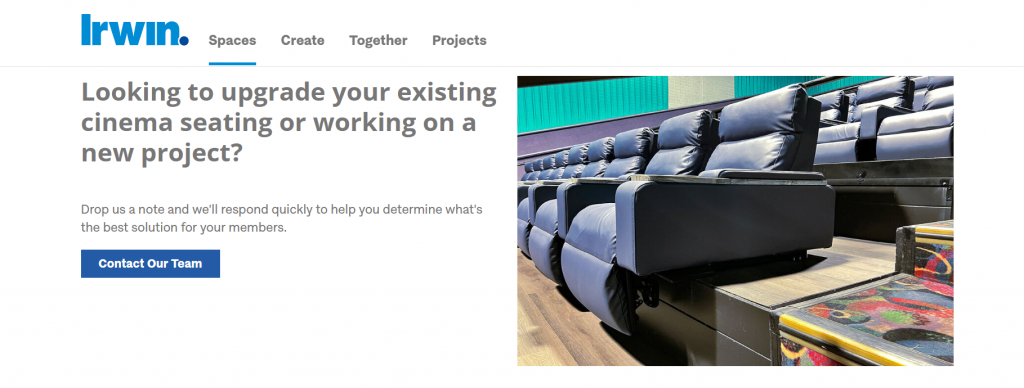
Irwin Seating Company remains a dominant fixture in the North American market, known for its adherence to stringent local accessibility codes. Their strength lies in providing robust companion seating and transfer-arm chairs for large-scale public venues. Irwin’s designs prioritize the “transfer” experience, ensuring that the transition from a mobility device to the seat is stable and ergonomic. Their products are built with heavy-gauge steel, offering the structural reliability needed for high-traffic environments like university auditoriums and municipal theaters.
3. Hussey Seating
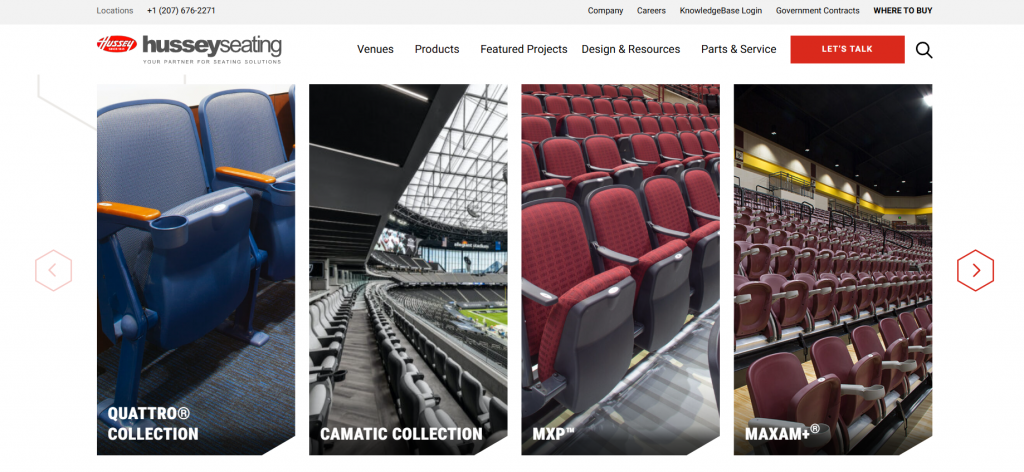
Hussey Seating specializes in the unique challenges of accessibility within retractable and telescopic seating systems. In many gymnasium or arena settings, creating wheelchair-accessible spaces on a moving platform is a significant engineering hurdle. Hussey’s solution involves integrated deck platforms that can be deployed or retracted as needed, ensuring that spectators with mobility impairments have high-quality sightlines that are equivalent to standard seating. Their focus on the “inclusive experience” means these spaces are often designed with dedicated companion seating areas built directly into the retractable tiers.
4. Sedia Systems
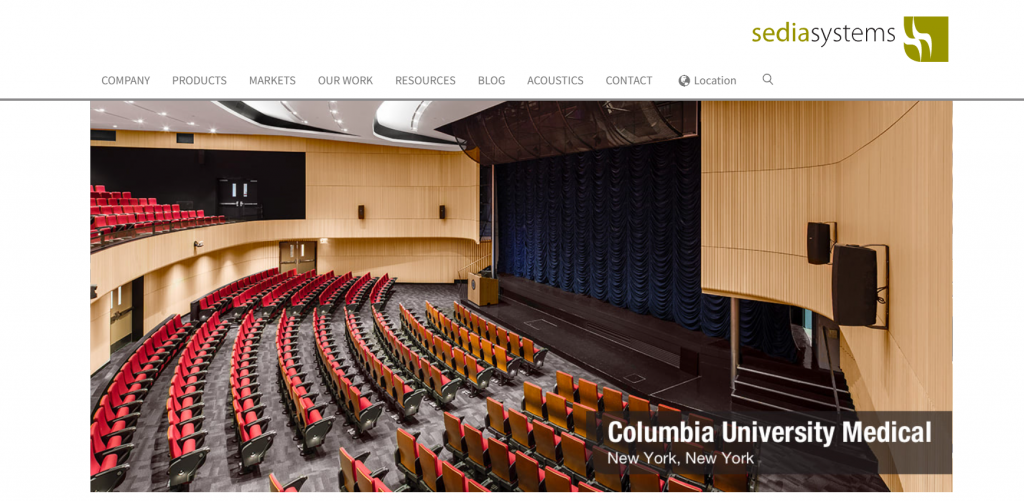
Sedia Systems is the preferred choice when accessibility must be maintained in space-constrained environments. Their “JumpSeat” technology is particularly useful for maintaining wide egress paths, which is a critical safety and accessibility requirement. By utilizing a wall-mounted or ultra-slim floor-mounted profile, they ensure that hallways and aisles remain clear for wheelchair passage while still providing functional seating. Their 2026 designs continue to push the boundaries of minimalist aesthetics combined with structural durability.
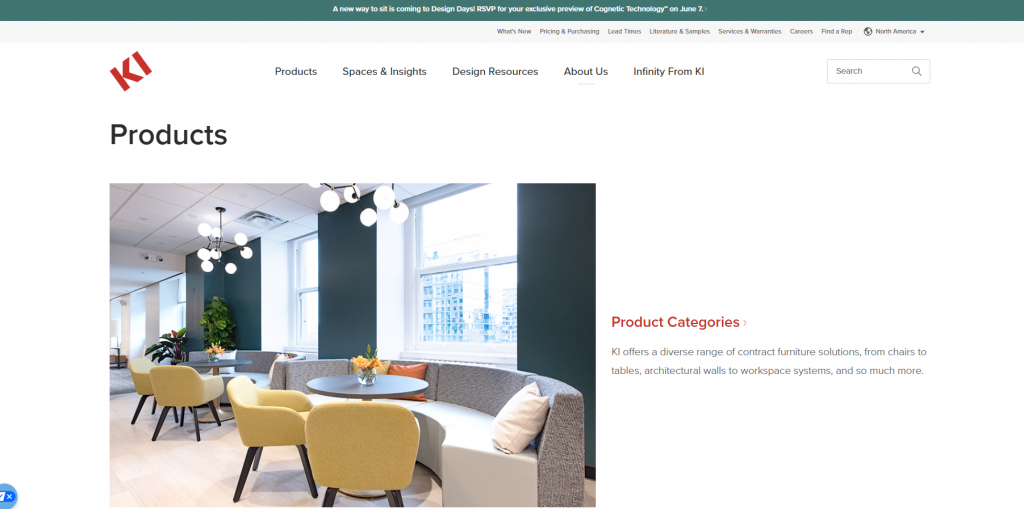
5. KI
KI focuses on the institutional and educational aspects of inclusive design. Their approach to accessibility often involves “bariatric seating” and mobile furniture that can be easily reconfigured. KI’s products are frequently found in healthcare and campus environments where seating must accommodate users of all sizes and physical abilities. Their use of high-mobility casters and lightweight materials allows for “agile accessibility,” where the room layout can be adjusted in real-time to create space for mobility devices.
6. Ferco Seating
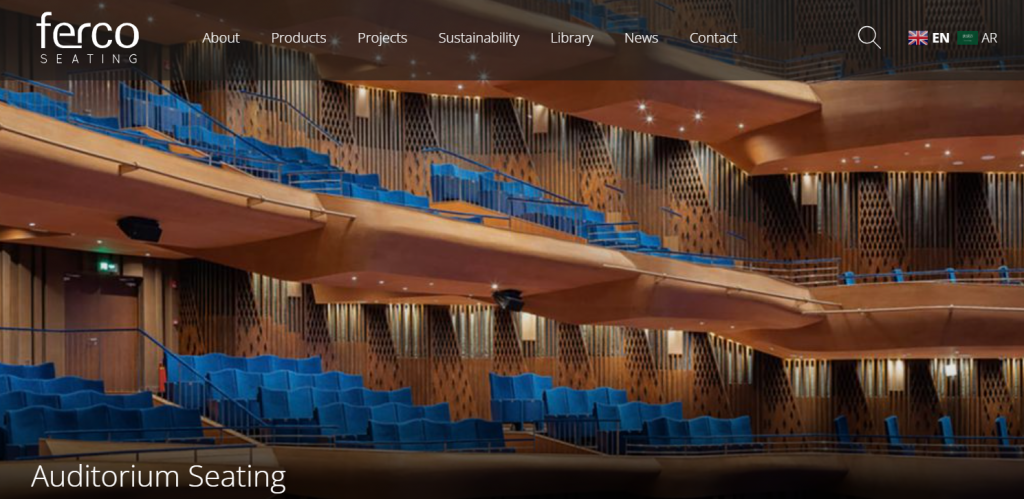
Ferco Seating brings a premium aesthetic to accessible venue design, particularly within the cinema and luxury theater sectors. They specialize in high-end recliners and performance chairs that include damping systems for controlled movement. For accessible zones, Ferco provides luxury versions of their standard seats that include specialized motorized adjustments or removable sections, ensuring that the “VIP experience” is accessible to all patrons regardless of their physical requirements.
The final decision in procurement should be guided by the specific technical standards mandated by the local jurisdiction and the venue’s operational goals.
Buying Guide: Criteria for Accessible Venue Planning
When evaluating manufacturers for inclusive projects, stakeholders should prioritize the following four technical indicators:
- Ease of Transfer: Verify the mechanics of the armrests and seat ends. For accessibility, armrests should either swing away 180 degrees or lift completely out of the way to facilitate side-transfers from a wheelchair.
- Modular Flexibility: Look for “Removable Seat” systems that do not require specialized heavy tools. The ability to remove two or three chairs in under five minutes allows a venue to adapt to real-time ticket sales for accessible spaces.
- Acoustic and Sightline Parity: Ensure that the accessible seating is not relegated to areas with poor views or acoustics. Manufacturers like Leadcom or Hussey offer engineering support to ensure “view over standing” (VOS) requirements are met for wheelchair platforms.
- Compliance Documentation: Ensure the supplier provides certified test reports for ADA, IBC, or local fire and safety codes. This documentation is essential during the final building inspection and for long-term liability management.
The most successful inclusive designs are those where the accessible seats are indistinguishable from the rest of the venue’s furniture.
Final Verdict
The ideal supplier for accessible seating in 2026 depends on the venue’s primary function and the level of flexibility required. Leadcom Seating stands as the most versatile choice for venues that need high-end integration and rapid-release modularity across large-scale projects. Hussey Seating is the industry standard for telescopic and retractable accessibility, while Sedia Systems provides the best solutions for maximizing egress in narrow architectural spaces. For institutional or educational settings where variety in body types and mobility is the priority, KI offers a robust range of specialized furniture.
Ultimately, accessibility is most effective when it is treated as a core design principle rather than a compliance obligation.
Frequently Asked Questions (FAQs)
Q1: What is “companion seating” in venue design?
Companion seating refers to standard venue seats located immediately adjacent to a designated wheelchair space. Accessibility codes typically require a 1-to-1 ratio, ensuring that individuals using mobility devices can sit with their family or friends.
Q2: How do removable seats impact venue insurance and safety?
Removable seats from reputable manufacturers are designed to be as structurally sound as fixed seats when locked into place. In 2026, most top-tier brands use “tool-less” locking mechanisms that are tested for impact and vibration, ensuring they meet the same safety certifications as permanent installations.
Q3: Can VIP recliners be made ADA-compliant?
Yes. Manufacturers like Ferco and Leadcom offer VIP recliners with specialized widths and motorization that allow for easy access. These units often feature the same upholstery and aesthetics as the rest of the VIP section to maintain design consistency.
